

On the Classic Editor, mobile layout was automatic - columns stacked top to bottom, left to right, with no way to change the order or positioning. The Fluid Engine changes this completely. Desktop and mobile are independent canvases. What you arrange on one does not affect the other. Squarespace includes Fluid Engine mobile editing on all 7.1 sites. Use coupon code OKDIGITAL10 for 10% off any Squarespace plan.
How to Access the Fluid Engine Mobile Editor
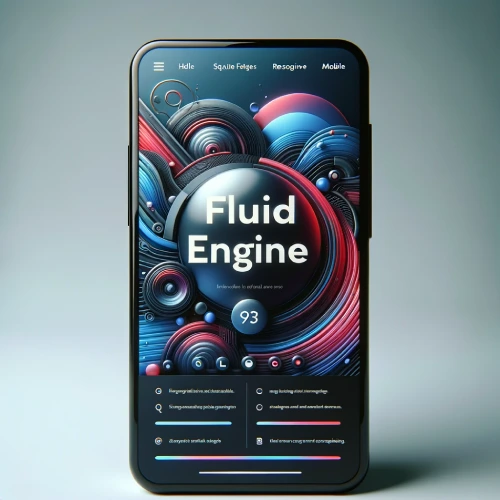
Open any page in the Squarespace editor. At the bottom of the editor, you will see device icons - a desktop monitor and a phone. Click the phone icon to switch to the mobile editor. The editor view narrows to a mobile viewport width and shows your content as it appears on phones.
In mobile editing mode, you can reposition blocks, resize them, and adjust spacing independently from the desktop layout. Changes you make in mobile mode do not affect the desktop version. Switch back to the desktop icon to confirm your desktop layout is unchanged.
What You Can Control in Mobile Editing
Block Position
Drag blocks to different vertical positions in the mobile layout. Content that appears side-by-side on desktop stacks vertically on mobile - you control the stacking order by dragging blocks up or down. Put the most important content (headline, CTA) at the top where mobile visitors see it first.
Block Size
Resize blocks for mobile by dragging their edges. A text block that spans half the desktop width should usually span the full mobile width for readability. An image that is large on desktop may need to be smaller on mobile to avoid pushing content too far down the page.
Spacing and Padding
Adjust the vertical spacing between blocks in the mobile editor. Desktop spacing that looks balanced at 1440 pixels wide often feels excessive on a 375-pixel phone screen. Tighten the gaps between elements on mobile to keep content compact and scannable.
Element Visibility
While the Fluid Engine does not have a native show/hide toggle per device, you can effectively hide elements on mobile by resizing them to zero height or repositioning them off-screen. For proper device-specific visibility, use Custom CSS with media queries: @media screen and (max-width: 768px) { .your-element { display: none; } }. For CSS techniques, our guide to adding custom CSS to Squarespace covers responsive visibility rules.
Mobile Layout Best Practices with the Fluid Engine
Put the Most Important Content First
On mobile, visitors see one section at a time as they scroll. The first thing they see determines whether they keep scrolling. Place your headline, value proposition, and primary CTA at the very top of the mobile layout - above any decorative images or secondary content.
Use Full-Width Blocks
On a mobile screen, side-by-side layouts are too cramped. Stretch text blocks, image blocks, and button blocks to full mobile width. This maximizes readability and tap target size. Two narrow columns that work on desktop become unreadable on a 375-pixel screen.
Increase Button Sizes
Resize CTA buttons to full width on mobile and ensure they are at least 44 pixels tall for comfortable finger tapping. A small, centered button that works with a mouse cursor is frustrating to tap on a phone. For button optimization, our guide to changing button colors in Squarespace covers sizing and responsive CSS.
Simplify Overlapping Elements
Overlapping designs that look sophisticated on desktop can create confusion on mobile - text overlapping images at the wrong position, elements blocking each other, or layered content that does not stack cleanly. In the mobile editor, remove or simplify overlaps that do not translate well to small screens.
Test on Actual Devices
The Fluid Engine mobile editor approximates the mobile experience, but actual phones render differently. Test your published pages on real iPhones and Android devices. Check font readability, button tap targets, image display, and scroll behavior. For comprehensive mobile testing, our guide to Squarespace mobile optimization covers device testing strategies.
Common Mobile Editing Mistakes
Not switching to mobile editor at all. Many users only edit in desktop mode and never check the mobile layout. The default mobile reflow from your desktop design is a starting point, not a finished product. Always review and adjust the mobile version.
Making mobile layout too spacious. Desktop padding values (80 to 120 pixels between sections) push content far down on mobile. Reduce spacing so visitors can reach your CTA without excessive scrolling.
Keeping desktop text sizes on mobile. A 48-pixel heading that commands attention on desktop overwhelms a phone screen. Reduce heading sizes for mobile to 28 to 36 pixels. Body text should be at least 16 pixels for readability.
Forgetting about form usability. Forms that are easy to fill on desktop can be frustrating on mobile - small input fields, tiny submit buttons, and fields that require horizontal scrolling. Test every form on mobile and adjust field sizes accordingly. For form optimization, our guide to Squarespace form customization covers mobile form usability.
Fluid Engine Mobile vs. Classic Editor Mobile
Fluid Engine: Independent mobile editor. Full control over block positions, sizes, and spacing on mobile. You design the mobile experience deliberately.
Classic Editor: Automatic mobile reflow. Columns stack left-to-right, top-to-bottom. No control over mobile-specific positioning. You accept whatever the automatic reflow produces.
This difference alone is reason enough to upgrade Classic Editor sections to the Fluid Engine if mobile experience matters to your business - and with over 60% of traffic coming from mobile devices, it matters. For the full comparison, our guide to Fluid Engine vs Classic Editor covers every difference. For design strategies, our Squarespace design tips guide covers mobile-first design principles.
Frequently Asked Questions
Does the Squarespace Fluid Engine have a mobile editor?
How do I switch to mobile editing in the Fluid Engine?
Do changes in mobile editor affect the desktop layout?
Why does my Fluid Engine mobile layout look wrong?
Can I hide elements on mobile in the Fluid Engine?
Should I design desktop or mobile first in the Fluid Engine?
How do I make buttons full-width on mobile in the Fluid Engine?
Design Mobile Intentionally, Not by Default
The Fluid Engine's mobile editor gives you something Squarespace users never had before - full control over the mobile experience. Use it. Every page you publish should have a deliberately designed mobile layout, not just an automatic reflow from desktop.
Switch to the mobile editor after every desktop design session. Prioritize content for the small screen. Increase button sizes. Reduce spacing. Test on real phones. Your mobile visitors deserve the same intentional design experience as your desktop visitors.
* Read the rest of the post and open up an offer