
Finding the right Squarespace template as an author means more than picking something that looks good - it means choosing a design that puts your writing first, builds your readership, and grows with your career. Whether you write fiction, nonfiction, poetry, or longform journalism, your website needs to reflect your voice before a single word is read.
The 10 templates below have been selected specifically for authors. Each one offers clean typography, flexible content areas, and the kind of professional presentation that turns casual visitors into loyal readers. From personal branding to book launches and newsletter building, there is an option here for every type of writer.
Editor's Picks
| # | Name | Best For | Price | Rating | Image | |
|---|---|---|---|---|---|---|
| 1 | Best for personal author branding | Free | 4.8/5 |
|
More Info | |
| 2 | Best for book promotion and launches | Free | 4.7/5 |
|
More Info | |
| 3 | Best for editorial writers and journalists | Free | 4.6/5 |
|
More Info | |
| 4 | Best for professional author portfolios | Free | 4.7/5 |
|
More Info | |
| 5 | Best for writing agencies and services | Free | 4.5/5 |
|
More Info | |
| 6 | Best for nonfiction authors and essayists | Free | 4.6/5 |
|
More Info | |
| 7 | Best for storytelling and creative writers | Free | 4.7/5 |
|
More Info | |
| 8 | Best for author blogs and content | Free | 4.5/5 |
|
More Info | |
| 9 | Best for minimalist author websites | Free | 4.8/5 |
|
More Info | |
| 10 | Best for author education and courses | Free | 4.6/5 |
|
More Info |
Best Squarespace Templates for Authors
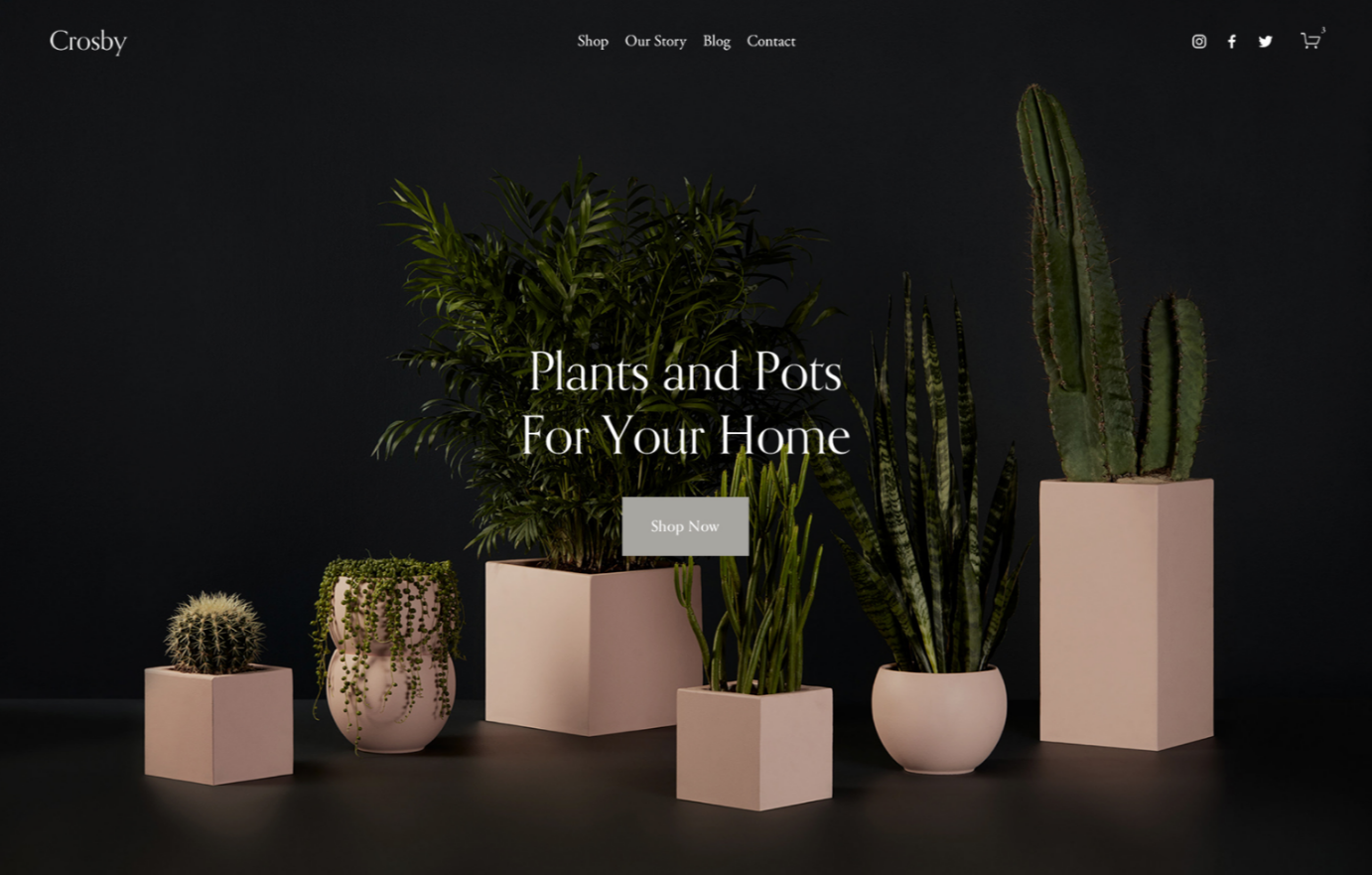
Crosby
Best for personal author branding ✓ Pros
- Bold typography puts your name and voice front and center.
- Homepage layout guides visitors straight to your latest writing.
- Clean blog section designed for long-form reading.
- Easy to customize without touching any code.
✗ Cons
- Limited built-in e-commerce for selling books directly.
- Minimal animation options compared to newer templates.
- Image-heavy sections can slow load time if not optimized.
Crosby is one of the strongest personal branding templates Squarespace offers for authors. The layout leads with your name and a strong hero section, then funnels readers toward your bio, writing samples, and contact details without distraction. It suits authors who want a polished, professional home base that keeps the focus firmly on their work.
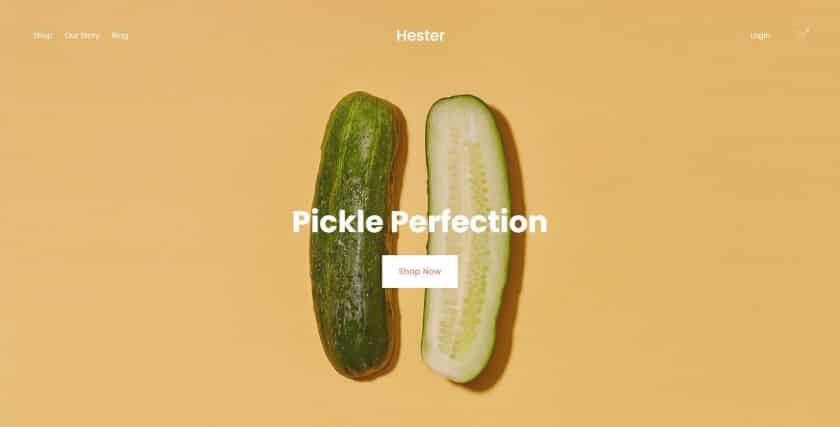
Hester
Best for book promotion and launches ✓ Pros
- Dedicated sections for book covers, descriptions, and purchase links.
- Newsletter signup blocks are built into the homepage flow.
- Strong visual hierarchy directs attention to your latest release.
- Works well for authors with multiple titles in their catalog.
✗ Cons
- Design leans promotional - less suited for literary personal brands.
- Blog layout is functional but not as editorial as some alternatives.
- Heavy sections may require trimming for authors with just one book.
Hester is purpose-built for book promotion. The homepage structure naturally accommodates cover art, reviews, and calls to action - making it ideal for launch periods when you need readers to buy, subscribe, and share. The integrated newsletter sections mean you can grow your list without relying on third-party pop-up tools.
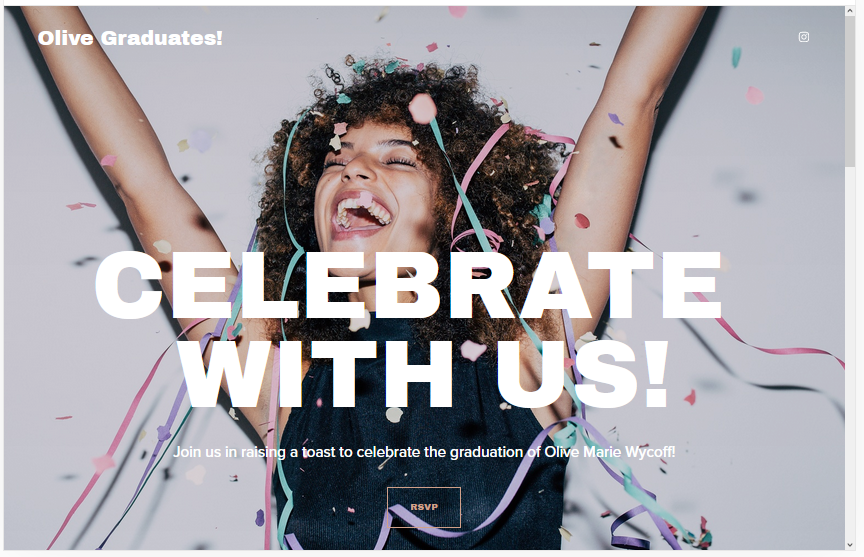
Wycoff
Best for editorial writers and journalists ✓ Pros
- Magazine-style grid layout suits writers with large content archives.
- Strong typographic hierarchy gives each piece room to stand out.
- Category and tag filtering helps readers navigate by topic.
- Professional, masthead-style header reinforces editorial credibility.
✗ Cons
- Less suited for authors who want a warm, personal tone.
- Grid-heavy layouts require consistent image use across posts.
- Fewer options for showcasing books as standalone products.
Wycoff brings a newsroom energy to author websites, making it the go-to choice for journalists, essayists, and writers with deep publishing archives. The grid layout handles dozens of articles without feeling cluttered, and the typographic style gives every byline a sense of authority. If your brand is built on your written record, Wycoff presents it powerfully.
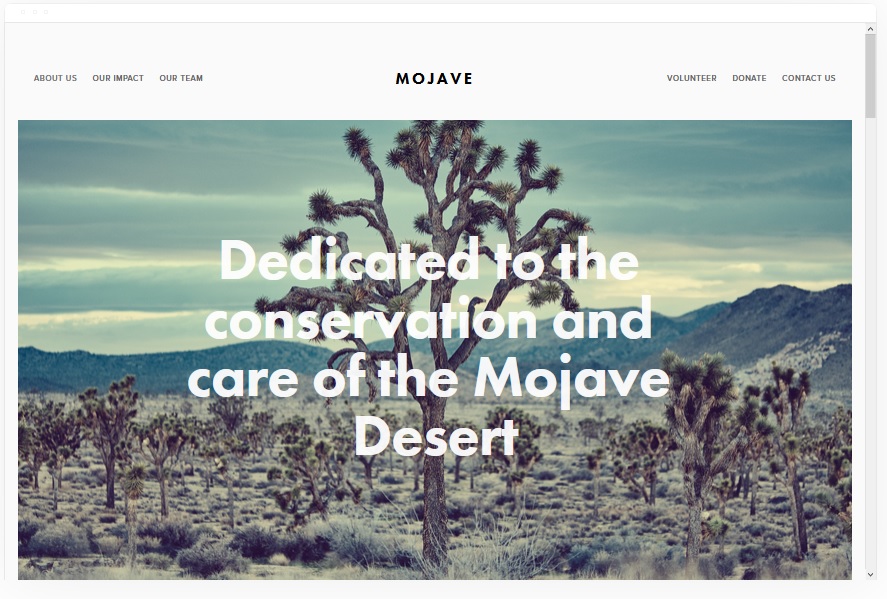
Mojave
Best for professional author portfolios ✓ Pros
- Full-width image sections make a strong first visual impression.
- Portfolio-style layout showcases published work and book covers.
- Built-in newsletter section captures reader email addresses effectively.
- Flexible page builder supports a broad range of author content types.
✗ Cons
- Image-forward design demands high-quality photography throughout.
- Less focused on blogging compared to editorial-style templates.
- Can feel sparse if you have limited published work to display.
Mojave strikes a balance between portfolio elegance and author credibility. It handles press coverage, book listings, and biography sections with equal confidence, making it ideal for mid-career authors who want a site that reflects the full range of their professional output. The newsletter integration sits naturally in the page flow rather than feeling bolted on.
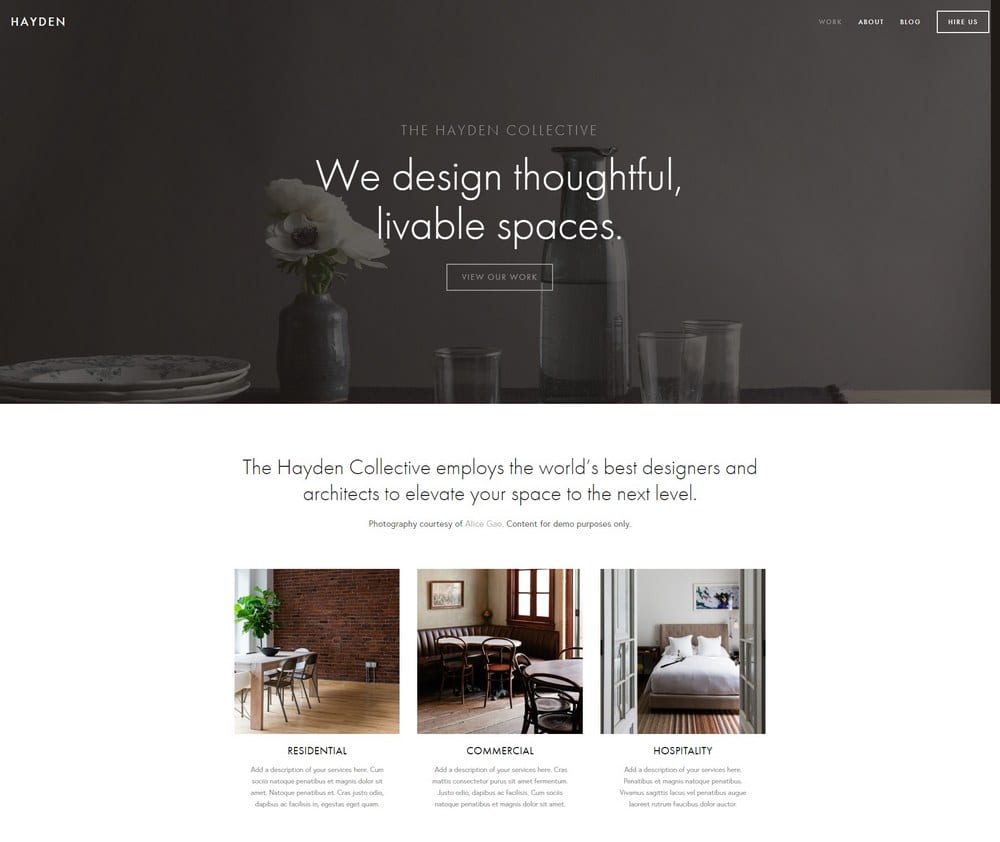
Hayden
Best for writing agencies and services ✓ Pros
- Services section layout works well for ghostwriting or editorial offers.
- Testimonial blocks are well-positioned for social proof.
- Contact and inquiry forms are prominent and easy to access.
- Professional structure suits authors who also sell writing services.
✗ Cons
- Feels more agency-focused than personal author brand-focused.
- Blog section is secondary, not ideal for high-volume publishers.
- Warmer, personal creative writers may find the tone too corporate.
Hayden works especially well for authors who blend their writing career with client services - think ghostwriters, book coaches, or content strategists. The services layout allows you to present writing packages alongside your published work, and the testimonial sections give clients the confidence to reach out. It is a dual-purpose template that handles both sides of a writing business cleanly.
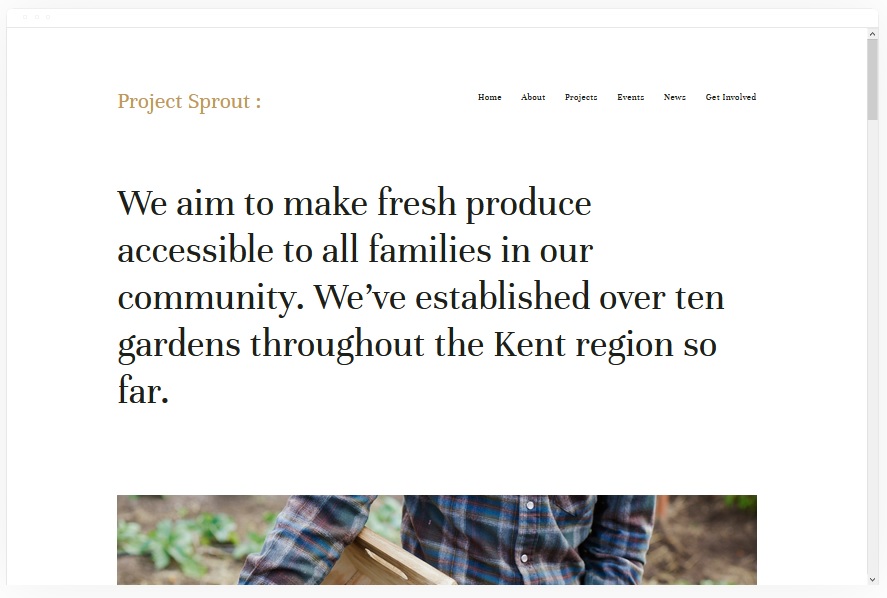
Kent
Best for nonfiction authors and essayists ✓ Pros
- Clean, text-forward layout keeps the focus on ideas and arguments.
- Long-form essay format reads comfortably across all screen sizes.
- Sidebar options help readers discover related content easily.
- Subtle design suits authoritative, serious nonfiction voices.
✗ Cons
- Restrained visual style may feel plain for more creative genres.
- Fewer built-in promotional sections for book launches.
- Limited animation and dynamic content features.
Kent is an excellent match for nonfiction authors, academics, and essayists who want their ideas to lead rather than their design. The layout is deliberately understated, letting well-crafted paragraphs carry the weight of the page. Readers who come for the thinking stay for the writing - and Kent is built entirely around that priority.
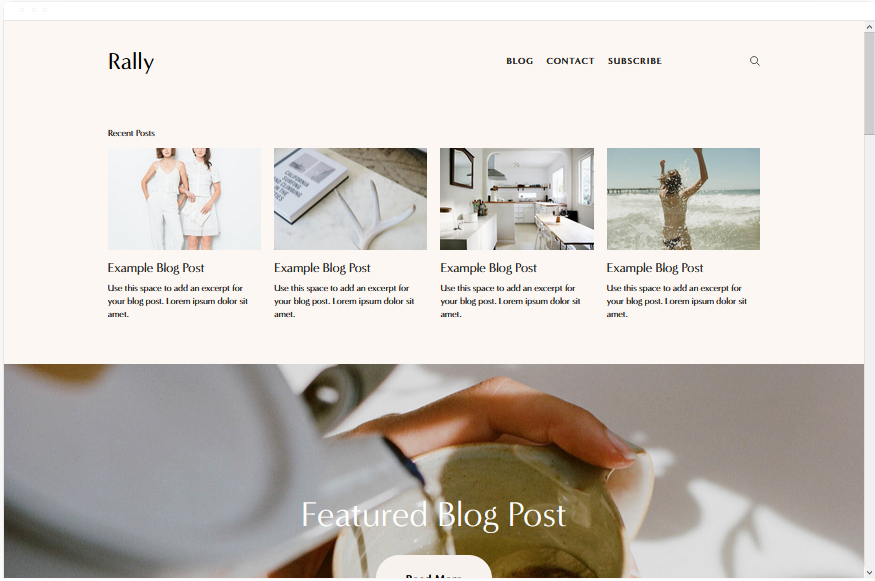
Rally
Best for storytelling and creative writers ✓ Pros
- Warm, narrative-driven layout matches creative and fiction writing brands.
- Scroll-based design encourages visitors to explore deeper into your site.
- Strong visual storytelling sections for conveying your creative world.
- Flexible enough to display both short fiction and full novels.
✗ Cons
- Scrolling layout may not suit authors wanting a traditional homepage.
- Less optimized for high-frequency blog publishing than editorial templates.
- Heavier page weight due to immersive design sections.
Rally brings a narrative momentum to author websites that most templates cannot match. The scroll-based layout mirrors the experience of moving through a story, pulling visitors from your opening hook through to your call to action without a hard page break. For fiction writers and creative authors, this immersive quality reinforces the reading experience before a single excerpt is clicked.
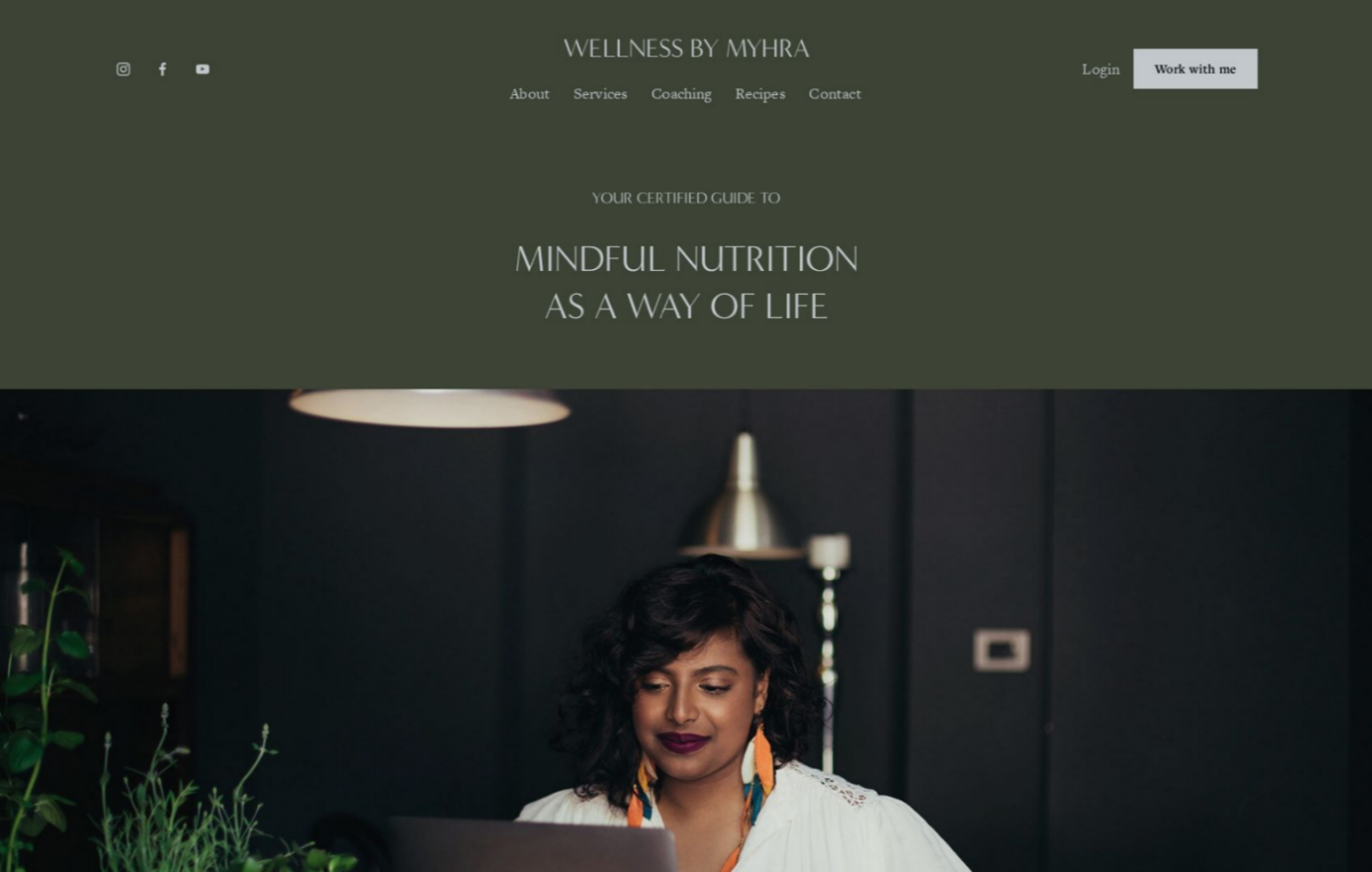
Myhra
Best for author blogs and content ✓ Pros
- Blog-first layout puts recent posts at the center of the homepage.
- Category navigation makes large content archives easy to browse.
- Readable column widths are well-suited to long-form writing.
- Simple, distraction-free design keeps readers focused on content.
✗ Cons
- Minimal hero section offers less impact for book promotion.
- Fewer built-in sections for showcasing author credentials or press.
- Design can feel basic if not customized with strong brand colors.
Myhra is the right pick for authors whose primary output is a blog or ongoing series of essays, dispatches, or reviews. The homepage puts your latest posts front and center without competing elements crowding the screen. For writers who publish regularly and want readers to come back for new content on a schedule, Myhra keeps the experience clean and the return path obvious.
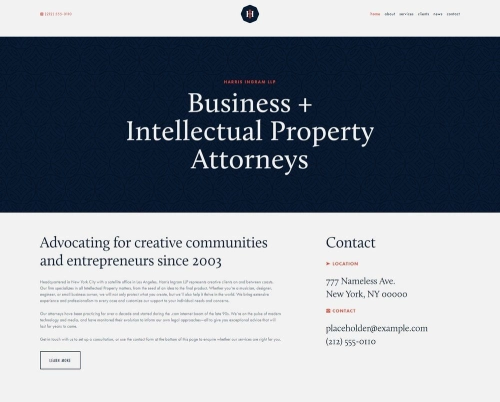
Harris
Best for minimalist author websites ✓ Pros
- Stripped-back design puts total focus on writing and author voice.
- High-contrast typography is immediately readable and visually striking.
- Elegant whitespace creates a premium, literary impression.
- Works across genres from literary fiction to serious nonfiction.
✗ Cons
- Sparse layout may feel too minimal for authors with complex sites.
- Limited built-in promotional sections for active book campaigns.
- Requires confident, well-edited copy to carry the restrained design.
Harris earns its high rating by doing less, and doing it exceptionally well. The minimalist aesthetic signals literary seriousness and creative confidence - it is the template equivalent of a well-designed book jacket. Authors who let their writing do the talking will find Harris amplifies that quality rather than competing with it. This is the template for writers who understand that restraint is its own form of style.
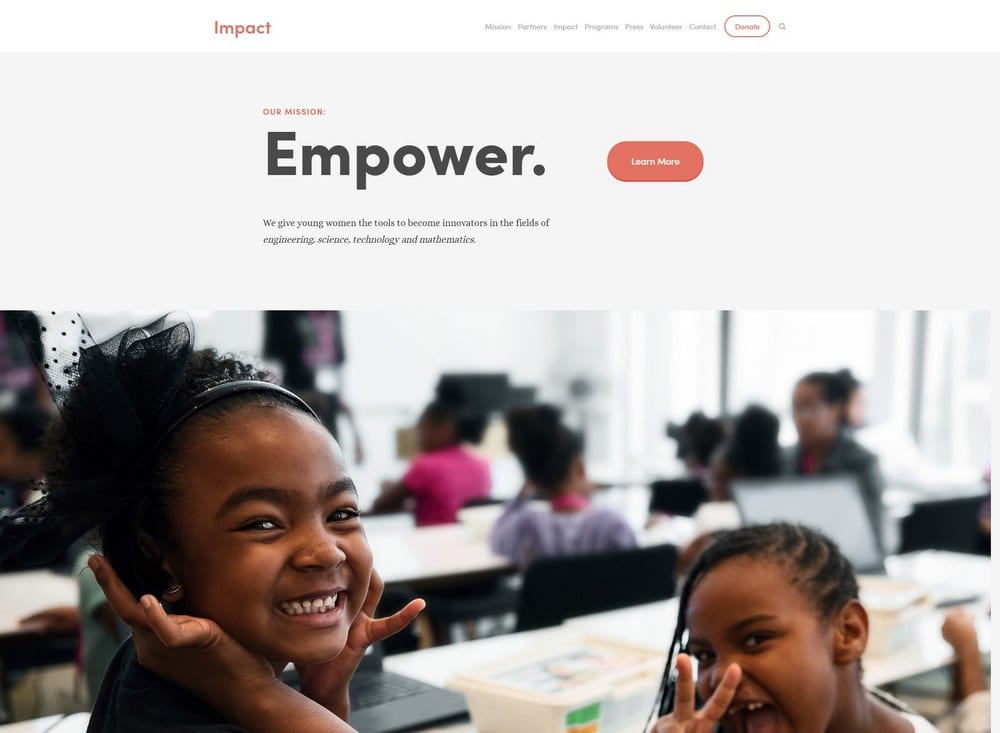
Impact
Best for author education and courses ✓ Pros
- Course and program sections make monetizing expertise straightforward.
- Strong call-to-action blocks drive sign-ups and enrollment conversions.
- Testimonial and outcome sections build credibility for teaching offers.
- Works well for authors expanding into workshops, courses, or coaching.
✗ Cons
- Design prioritizes conversion over literary atmosphere.
- Less suited for authors focused purely on book sales or blogging.
- Heavy section count requires careful editing to avoid overwhelm.
Impact is built for authors who have moved beyond publishing into teaching - whether that is online writing courses, live workshops, or manuscript coaching programs. The conversion-focused layout handles program descriptions, testimonials, and enrollment calls to action with more sophistication than most author templates. If your website needs to sell an educational product as much as a book, Impact gives you the structure to do it professionally.
How to Choose an Author Squarespace Template
Showcase Your Writing, Not Just Your Books
The best author Squarespace templates make your writing the centerpiece - not just a book cover grid. Look for templates with prominent blog sections, generous typography, and clean reading layouts that let your prose breathe. Crosby and Harris are particularly strong for authors who want their words to carry the visual weight.
Build Your Mailing List From Day One
An author website without an email sign-up is a missed opportunity. Templates like Hester and Mojave handle newsletter call-to-action sections natively, making it easy to capture reader emails from the homepage. For more creative and portfolio-driven designs, see our full Squarespace templates for creative professionals guide.
Consider Your Genre and Audience
A literary fiction author and a business book writer need very different visual tones. Dark, editorial templates like Harris and Wycoff suit serious nonfiction and literary brands, while warmer, story-driven layouts like Rally and Crosby work better for narrative genres. Match the template's emotional register to your genre before you start customizing.
Frequently Asked Questions
What is the best Squarespace template for an author website?
Are Squarespace author templates free?
Can I sell books directly from a Squarespace author template?
Do Squarespace author templates support a blog?
Which Squarespace template is best for a novelist or fiction author?
Conclusion: 10 Best Author Squarespace Templates
The 10 Squarespace templates for authors above cover every publishing niche - from debut novelists building their first platform to established nonfiction writers maintaining a professional digital home. Each one provides the clean typography, flexible layouts, and audience-building features that author websites need. Choose the design that feels like your writing voice, and give your readers a place worth returning to.
* Read the rest of the post and open up an offer