

Editor's Picks
| # | Name | Best For | Price | Rating | Image | |
|---|---|---|---|---|---|---|
| 1 | Tattoo artists, ink studios, and artists who want a high-contrast edgy aesthetic | Free | 4.6/5 |
|
More Info | |
| 2 | Artists who want a clean grid gallery to showcase their portfolio with strong email signup integration | Free | 4.5/5 |
|
More Info | |
| 3 | Artists who want to combine portfolio display with creative storytelling and social media presence | Free | 4.4/5 |

|
More Info | |
| 4 | Fine artists, printmakers, and visual artists who sell artwork and prints online | Free | 4.4/5 |

|
More Info | |
| 5 | Artists who want to share their creative process, collaborations, and the story behind each piece | Free | 4.3/5 |
|
More Info | |
| 6 | Photographers and visual artists focused on portraits, environmental photography, and capturing human expression | Free | 4.3/5 |

|
More Info | |
| 7 | Landscape photographers, nature artists, and visual artists who sell prints and gallery-quality work | Free | 4.2/5 |

|
More Info | |
| 8 | Art educators, creative coaches, tutors, and artists who teach workshops or online classes | Free | 4.2/5 |
|
More Info | |
| 9 | Artists with broad portfolios spanning multiple styles, series, or mediums who need organised collection display | Free | 4.3/5 |

|
More Info | |
| 10 | Documentary photographers, travel artists, and creatives who pair narrative context with visual work | Free | 4.3/5 |

|
More Info | |
| 11 | Avant-garde artists, experimental creatives, and artists who want a bold, high-impact visual presence | Free | 4.2/5 |
|
More Info | |
| 12 | Artists who sell artwork, prints, or creative services directly from their website | Free | 4.1/5 |
|
More Info | |
| 13 | Artists who need a fast, media-rich portfolio with multiple page types and eCommerce capability | Free | 4.2/5 |
|
More Info | |
| 14 | Artists who want a clean, professional site with built-in scheduling for consultations and commissions | Free | 4.1/5 |
|
More Info | |
| 15 | Freelance artists, illustrators, and creatives who need to showcase skills, services, reviews, and contact information in one place | Free | 4.1/5 |
|
More Info | |
| 16 | Artists who want a fast, minimal grid portfolio that ranks well on search engines | Free | 4.1/5 |
|
More Info | |
| 17 | Artists who sell prints, display video content, and want a visual showcase with eCommerce integration | Free | 4.1/5 |
|
More Info | |
| 18 | Artists who use blogging, content marketing, and social media to attract collectors and clients | Free | 4.0/5 |
|
More Info | |
| 19 | Artists who want a simple, fast-to-build website with a striking background image and minimal navigation | Free | 4.0/5 |
|
More Info | |
| 20 | Artists who want a unique, interactive browsing experience with hover effects and a hidden menu | Free | 4.0/5 |

|
More Info | |
| 21 | Artists who want a striking, scroll-driven design with social sharing and eCommerce capability | Free | 4.0/5 |
|
More Info |
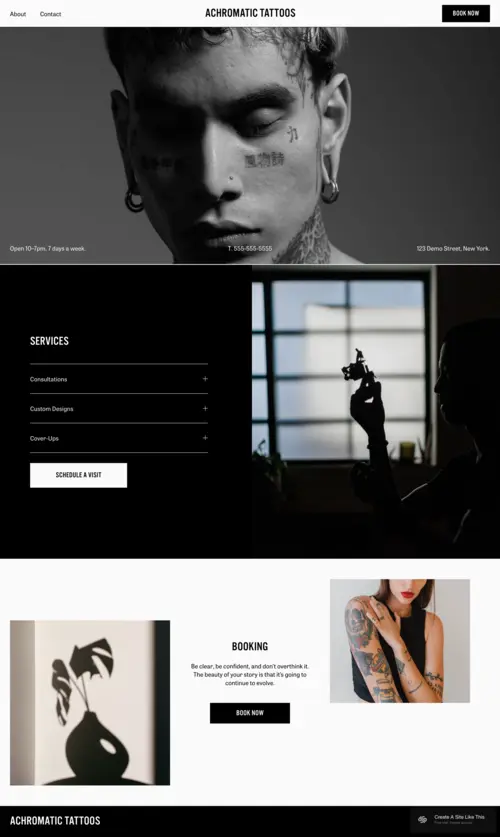
Achromatic
Best for Tattoo Artists and Bold Visual Branding ✓ Pros
- Bold black-and-white aesthetic creates an immediately striking first impression that matches the edgy branding tattoo artists and contemporary visual artists need.
- Built-in booking system keeps client scheduling organised, making it easy for visitors to secure consultations or tattoo appointments directly from your site.
- Dedicated service listing sections let you display consultations, custom designs, cover-ups, and other offerings with clear descriptions and pricing.
- High-contrast layout ensures every portfolio image pops without needing additional design work, the template does the heavy lifting visually.
- Modern, professional design signals credibility to potential clients browsing Squarespace artist websites for the first time.
✗ Cons
- The black-and-white palette may feel limiting for artists whose work relies on vibrant colour, painters and illustrators with colourful portfolios might find it clashes with their brand.
- The bold aesthetic is strongly suited to tattoo and ink studios, so artists in softer or more traditional niches may need significant customisation to make it feel right.
- Service-focused layout prioritises booking over gallery browsing, which may not suit fine artists who want a pure portfolio experience.
Achromatic is unapologetically bold. The high-contrast black-and-white design grabs attention and says "we mean business" before a visitor scrolls a single pixel.
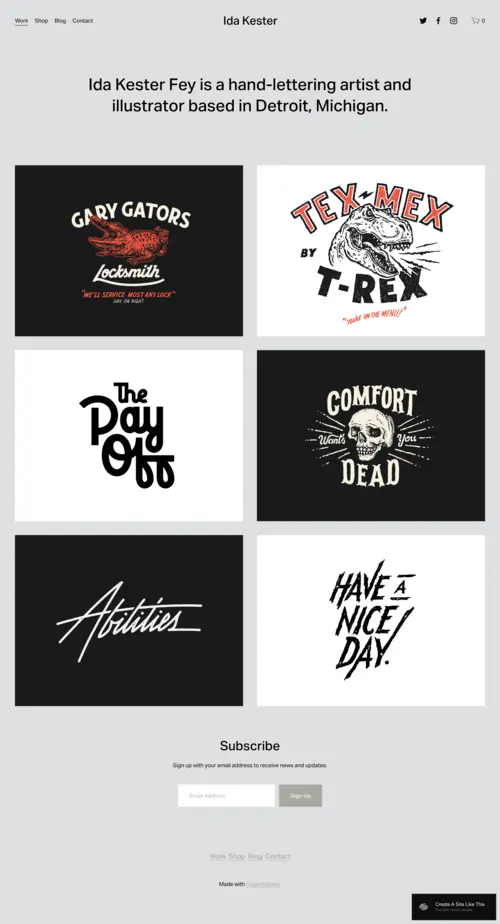
Kester
Best for Grid-Based Artist Portfolios ✓ Pros
- Grid-style gallery layout displays artwork in a structured, visually balanced format that lets visitors browse your portfolio like a curated exhibition.
- Minimalist typography keeps the focus entirely on your art, no decorative fonts competing with your images for attention.
- Strong call-to-action placement for email signups and newsletters helps artists build a subscriber list for exhibition announcements and new work drops.
- Intuitive navigation makes it easy for visitors to explore different collections or series without getting lost in the site structure.
- Clean, distraction-free design works across art disciplines, painters, illustrators, photographers, and mixed-media artists all benefit from the gallery-first approach.
✗ Cons
- The grid layout works best with consistently sized or formatted images, artists with a mix of landscape and portrait pieces may need to crop or adjust for visual consistency.
- Minimalist design means fewer built-in sections for storytelling or process documentation, which narrative-driven artists may find limiting.
- The straightforward structure offers less room for creative page layouts compared to more flexible artist website templates.
Kester is the kind of Squarespace artist template that puts your work in the spotlight and steps aside. The grid-style gallery lets potential clients scroll through your portfolio like they are flipping through a curated collection, and the minimalist typography ensures nothing competes with your visuals.
Toledo
Best for Artist Storytelling and Social Integration ✓ Pros
- Sleek, professional portfolio layout provides a clean canvas for displaying artwork without visual clutter or unnecessary design elements.
- Built-in storytelling sections let you share your creative journey, artistic inspirations, and the process behind each piece alongside the finished work.
- Social media integration makes it effortless to link Instagram, Dribbble, Behance, and other platforms so followers can connect across channels.
- Clean, minimalist design ensures the focus stays on your art, no busy backgrounds or competing visual elements to distract from your portfolio.
- Flexible page structure adapts well to different types of artists, from photographers displaying series to illustrators showcasing client work.
✗ Cons
- The storytelling-focused layout requires you to write compelling content, artists who prefer to let images speak entirely for themselves may find the text sections feel like empty space.
- The minimalist approach means less built-in commerce functionality compared to templates designed for selling artwork directly.
- Social integration emphasis works best for artists who are active on platforms like Instagram, if you are not, those sections may feel unnecessary.
Toledo keeps things sophisticated without being stuffy. If you are an artist who wants to share your creative journey alongside your portfolio, this template gives you the room to do it.
Montclaire
Best for Fine Artists and Printmakers ✓ Pros
- Refined, polished design creates a gallery-quality presentation that elevates every piece of artwork on display.
- Built-in eCommerce functionality makes selling prints, originals, and artwork straightforward, no third-party shop tools needed.
- Clean, high-impact gallery layout gives each piece maximum visual breathing room so collectors can appreciate details without distraction.
- Contact form integration allows potential buyers to inquire about custom commissions or special orders directly through the site.
- Sophisticated aesthetic works across fine art disciplines, paintings, graffiti art, prints, and mixed media all look professional in this layout.
✗ Cons
- The refined aesthetic may feel too formal for artists with a raw, street-art, or intentionally rough brand identity.
- Gallery-focused layout leaves less room for extensive written content or blogging compared to more content-forward templates.
- The polished design demands high-quality images, low-resolution portfolio photos will look noticeably out of place.
Montclaire is where elegance meets functionality for artists. The clean gallery layout puts your designs front and centre, letting potential clients and collectors admire your work without distraction.
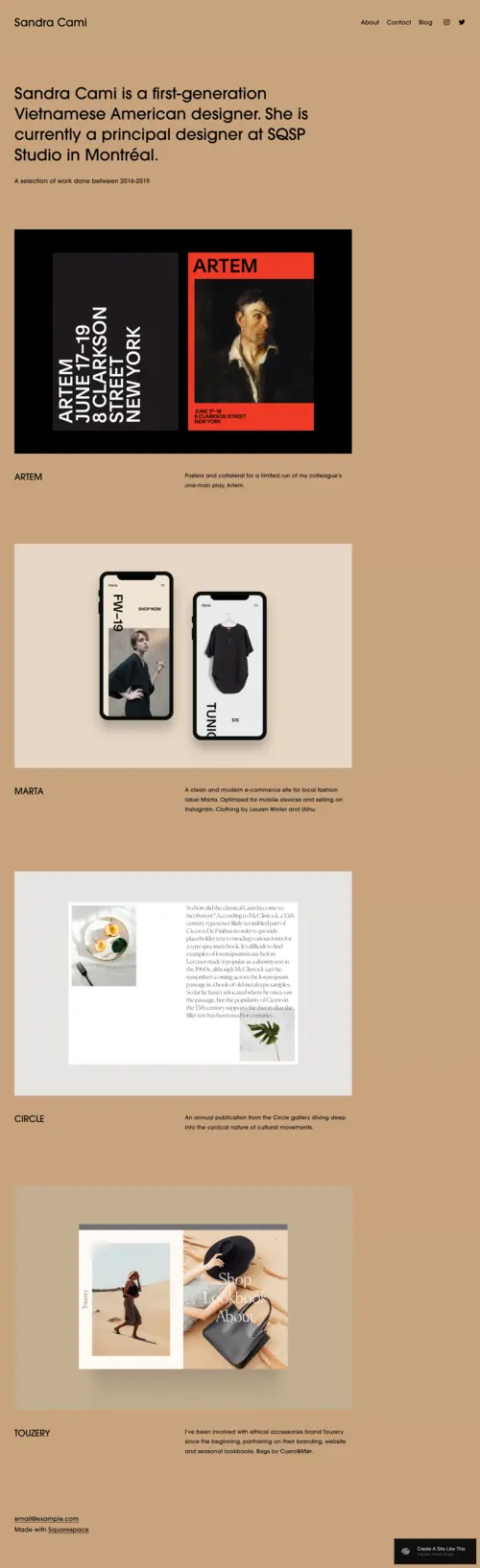
Cami
Best for Narrative-Driven Artist Websites ✓ Pros
- Narrative-driven layout gives artists space to share the inspiration, process, and meaning behind their work, not just the finished product.
- Bold visual sections spotlight individual pieces and series with impact, making each artwork feel like a featured exhibition.
- Built-in testimonial sections let you display client reviews and collector feedback, building credibility with new visitors.
- Collaboration showcase areas make it easy to highlight joint projects, guest artist appearances, or brand partnerships professionally.
- Versatile design adapts to multiple art forms, tattoo artists, illustrators, painters, and mixed-media creatives all find a natural fit.
✗ Cons
- The narrative focus requires you to write compelling descriptions for each section, artists who prefer a purely visual portfolio may find the text-heavy structure overwhelming.
- Bold layout choices work best with a curated selection of pieces rather than a massive portfolio dump.
- The storytelling approach takes more setup time than simpler grid or gallery templates.
Cami is for the artist who wants to share more than finished work, it is for sharing the story, the process, and the inspiration behind every piece. The narrative-driven layout lets you tell your story while showcasing your portfolio, and the bold visuals make each piece stand out.
McCurry
Best for Portrait and Environmental Photography Artists ✓ Pros
- Strong portrait-focused layout centres attention on individual subjects, making every image feel intentional and powerful.
- Multiple layout options let you showcase different photography styles and series without the site feeling disjointed.
- Bold, minimalistic design ensures each photograph holds the viewer's full attention without competing visual elements.
- Dedicated sections for select works and services provide a balanced way to display your range while maintaining a cohesive aesthetic.
- Clean structure works well for photographers building a professional online presence alongside gallery exhibitions.
✗ Cons
- The portrait-centric design may feel limiting for artists working primarily in abstract, landscape, or non-figurative styles.
- The minimalist approach means less built-in commerce functionality for photographers who want to sell prints directly.
- Layout options, while varied, still favour single-image focus, photographers with large event or documentary sets may need additional gallery configuration.
McCurry is built for artists who capture the human essence in every shot. The bold, minimalistic layout keeps the viewer's focus on your subjects, their character, their surroundings, their story.
Balboa
Best for Landscape and Nature Art Photography ✓ Pros
- Large, high-quality image displays let viewers immerse themselves in the fine details of each piece, essential when selling photography prints or fine art reproductions.
- Clean, structured gallery layout creates a calm, professional browsing experience that mirrors a physical gallery space.
- Built-in shop functionality turns your gallery into a storefront where visitors can purchase prints directly.
- Minimalist design with generous whitespace ensures each artwork gets the visual breathing room it needs to make an impact.
- Serene, professional aesthetic aligns naturally with landscape, nature, and fine art photography niches.
✗ Cons
- The calm, structured layout may feel too restrained for artists with a bold, energetic, or street-art-inspired brand.
- Large image focus means the template demands high-resolution files, anything less will look noticeably soft.
- The straightforward gallery structure offers fewer layout variations for artists who want a more dynamic or interactive browsing experience.
Balboa is designed for artists who want a straightforward, organised gallery that showcases their work beautifully. The structured layout provides a calm, professional space where each image gets the attention it deserves.
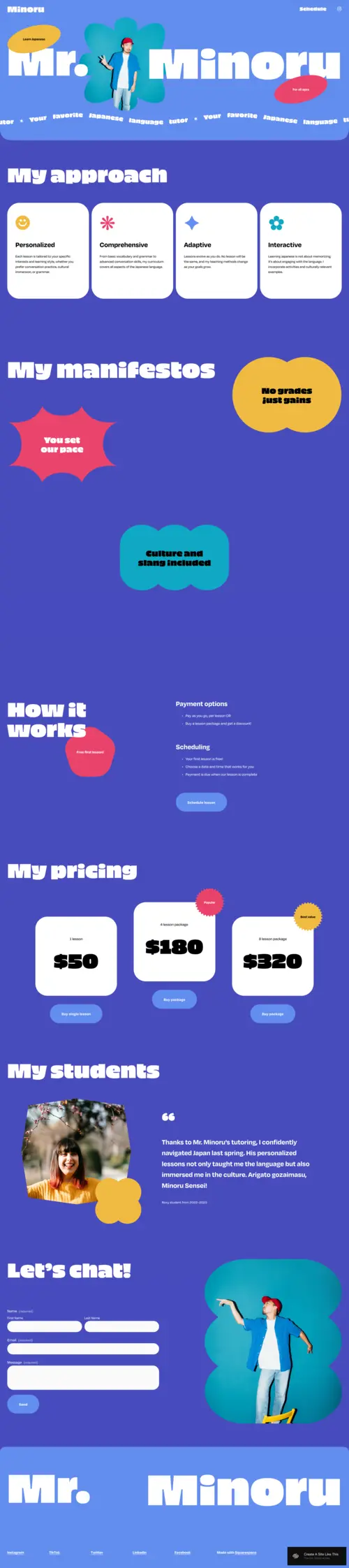
Minoru
Best for Creative Art Educators and Workshop Hosts ✓ Pros
- Colourful, playful layout creates a warm, approachable online presence that makes art education feel inviting rather than intimidating.
- Interactive design elements and engaging visuals keep visitors exploring the site longer, which is ideal for showcasing course offerings and workshop details.
- Clear scheduling and pricing sections make it easy for students to find lesson information and sign up without confusion.
- Conversational, personality-driven design stands out from the typically minimal art portfolio templates, giving creative educators a distinctive brand feel.
- Modern features blended with a retro-inspired aesthetic create a memorable visual identity that students and followers remember.
✗ Cons
- The playful, colourful aesthetic may feel too casual for artists who want a serious, gallery-quality portfolio presentation.
- The education-focused layout requires reshaping for artists who do not teach, it is not a natural fit for pure portfolio use.
- Bold colour choices may clash with certain art styles, requiring more customisation effort to align with your brand.
Minoru brings a cheerful, educational energy that is both fun and functional. The bright, bold layout is packed with personality, offering a design that works perfectly for art educators, creative coaches, and artists who run workshops.
Nevins
Best for Artists with Diverse Collections ✓ Pros
- Grid layout organises diverse work into clearly defined collections, making it easy for visitors to browse by theme, style, or medium.
- Clean, modern design appeals to a wide audience, from casual art fans to serious collectors, without favouring any one aesthetic.
- Easy browsing with quick access to different collections means visitors spend less time searching and more time appreciating your art.
- Scalable structure handles large portfolios well, so artists who produce prolifically can keep adding work without the site feeling cluttered.
- Sleek presentation creates a gallery-like browsing experience that mirrors how collectors discover work in physical exhibition spaces.
✗ Cons
- The grid collection format works best when you have enough pieces to fill each category, sparse collections can look underwhelming.
- The emphasis on breadth over depth means individual pieces get less dedicated space than in single-focus portfolio templates.
- Organising a large, diverse portfolio into logical collections requires upfront planning that simpler templates do not demand.
Nevins is built for artists with variety. The grid layout lets you organise your work into collections, making it easy for potential buyers and galleries to find exactly what they are looking for.
Fillmore
Best for Story-Driven Art and Documentary Artists ✓ Pros
- Story-driven layout provides space for descriptions and anecdotes alongside each image, giving viewers a deeper connection to the work.
- Ideal for documentary, travel, and journalistic art where the context behind each piece matters as much as the visual itself.
- Personal, immersive browsing experience makes visitors feel like they are walking through a visual journal rather than just scrolling a gallery.
- Flexible content areas support both long-form narratives and short captions, adapting to how much or how little you want to share.
- Emotional storytelling approach creates a powerful selling point for buyers who want to own art with meaning and provenance.
✗ Cons
- The narrative format requires you to write compelling text for each piece, artists who prefer a purely visual portfolio will find the empty text areas feel like dead weight.
- The story-heavy layout loads more content per page, which can slow browsing compared to image-only gallery templates.
- Not ideal for artists with very large portfolios who want visitors to scan quickly through hundreds of pieces.
Fillmore goes beyond the typical artist gallery by offering a story with each image. This template lets you share the journey behind every shot or piece, giving buyers a deeper connection to your work.
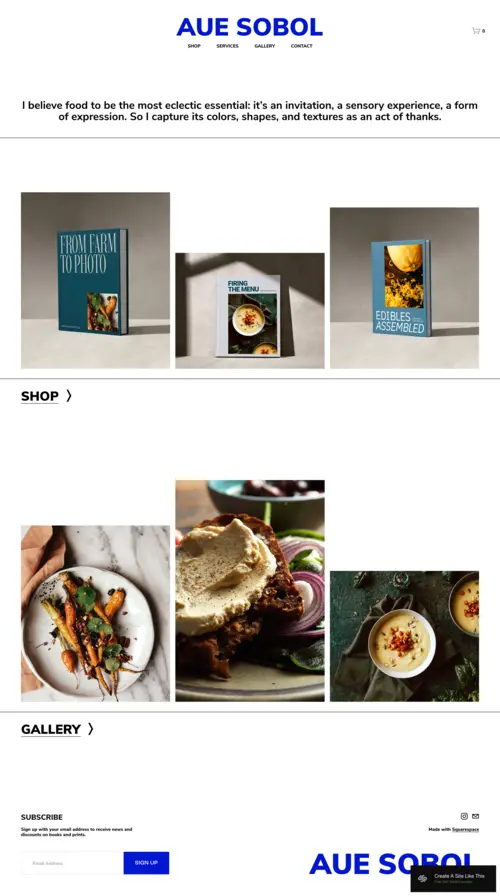
Aue Sobol
Best for Avant-Garde and Experimental Artists ✓ Pros
- Bold, modern design with high-impact visuals creates a gallery experience that commands attention from the first scroll.
- Seamless gallery-to-shop browsing experience guides visitors naturally from admiring work to purchasing it.
- Attention-grabbing layout is perfect for experimental, fashion, and avant-garde art styles that thrive on visual drama.
- Professional yet unique aesthetic sets your site apart from the more conventional portfolio templates in the Squarespace library.
- Large image display areas give each piece maximum impact, letting textures, colours, and details speak for themselves.
✗ Cons
- The bold aesthetic may feel overwhelming for artists with a softer, more traditional style, it suits edgy and experimental work best.
- High-impact design relies heavily on strong, professional-quality imagery, mediocre photos will be amplified rather than hidden.
- The distinctive look may not appeal to all collector demographics, particularly those who prefer understated gallery presentations.
Aue Sobol does not shy away from making an impact. The bold design and high-impact visuals make it the right choice for artists whose work pushes boundaries.
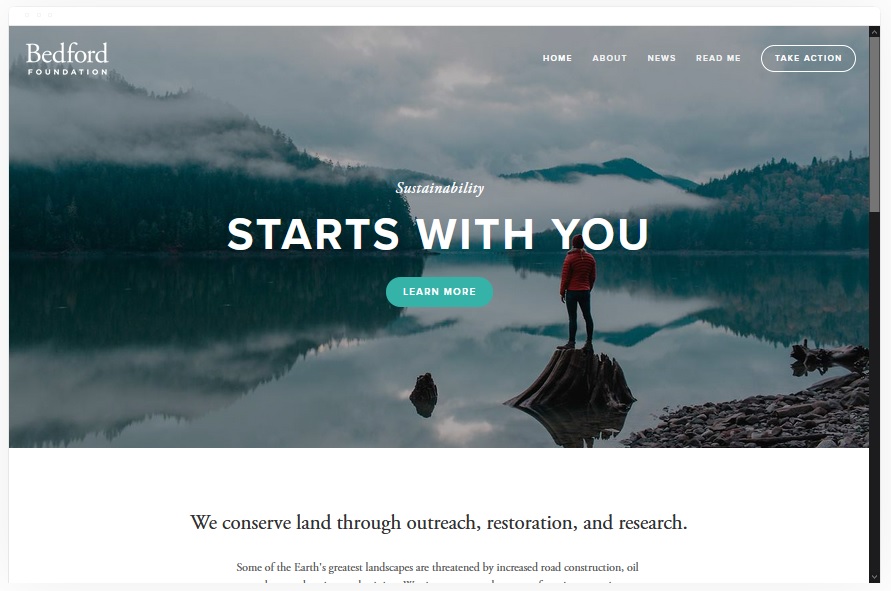
Bedford
Best for Artists Selling Artwork and Prints ✓ Pros
- Built-in eCommerce features make it straightforward to sell originals, prints, and merchandise directly from your artist website.
- Image and video support lets you showcase work in multiple formats, studio walkthroughs, time-lapse painting processes, or high-resolution gallery images.
- Sidebar navigation keeps your menu accessible without cluttering the main content area, giving artwork maximum visual space on every page.
- Scrolling index page creates a smooth, gallery-like browsing experience that moves visitors through your work naturally.
- Banner sections with call-to-action buttons let you promote exhibitions, new collections, or commission availability right at the top of the page.
✗ Cons
- The sidebar navigation style feels unconventional for visitors expecting a top menu, some may need a moment to orient themselves.
- The scrolling index layout works best with consistent image quality across all sections, a mix of professional and casual photos can feel uneven.
- Bedford's feature-rich structure means more setup time compared to simpler Squarespace artist templates.
Bedford turns an artist website into a working storefront. Whether you are selling original paintings, limited-edition prints, or creative service packages, the built-in commerce features handle the transaction side while the visual layout keeps your work looking its best.
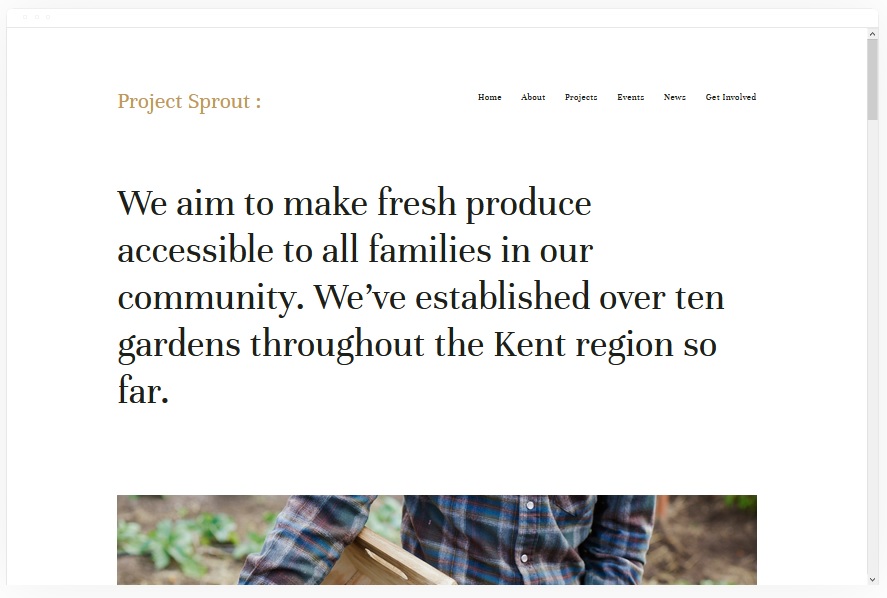
Kent
Best for Fast-Loading Artist Portfolios ✓ Pros
- Fast-loading design ensures your artwork appears instantly, visitors judging visual work will not wait for slow pages, and Kent eliminates that friction.
- Dedicated portfolio pages let you organise work by medium, style, or project type so visitors find exactly what they are looking for.
- Multiple page types, cover, blog, event, album, give artists flexible ways to promote exhibitions, document processes, and share news alongside their portfolio.
- Built-in eCommerce lets you sell artwork, prints, and merchandise directly without third-party tools.
- Clean, image-first layout puts every piece in a distraction-free frame so the art does the talking.
✗ Cons
- The minimal design relies on strong imagery, artists with inconsistent or low-resolution portfolio photos will find the layout exposes those gaps.
- The streamlined structure works best for artists with a focused body of work, very large, diverse portfolios may need extra organisation effort.
- Fewer built-in decorative elements mean the template demands high-quality content to avoid looking sparse.
Kent loads before your visitor has time to second-guess clicking. For artists, that speed matters, someone browsing Squarespace artist websites or comparing portfolios makes snap judgments, and Kent ensures your work is the first thing they see.
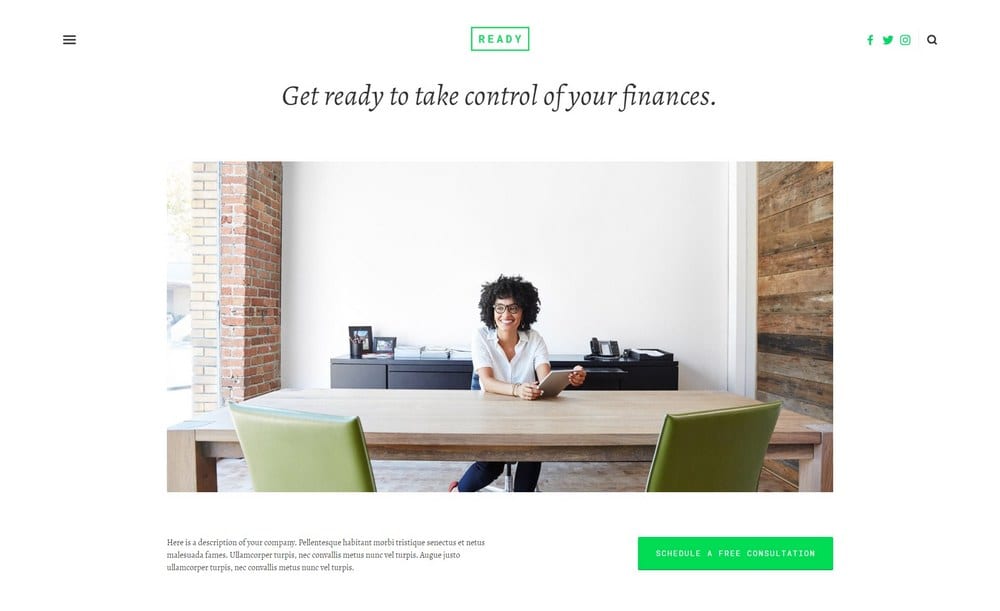
Ready
Best Minimalist Template for Artist Scheduling ✓ Pros
- Elegant, minimalist design with a white background provides a distraction-free canvas that lets your artwork command all attention.
- Built-in scheduling system automates appointment booking for consultations, studio visits, and commission discussions.
- Hidden menu navigation keeps the interface clean while still providing full site access when visitors need it.
- Fast-loading pages improve both visitor experience and search engine ranking potential for your artist website.
- Call-to-action buttons are strategically placed to convert visitors into clients without feeling pushy.
✗ Cons
- The minimalist design may feel too plain for artists who want a visually distinctive or branded website experience.
- The hidden menu requires visitors to actively seek navigation, some may miss it and leave before exploring your full portfolio.
- Limited decorative elements mean the template leans heavily on your portfolio quality to create visual interest.
Ready is the minimalist's answer to artist website design. The clean, white-background layout ensures your artwork is the only thing visitors focus on.
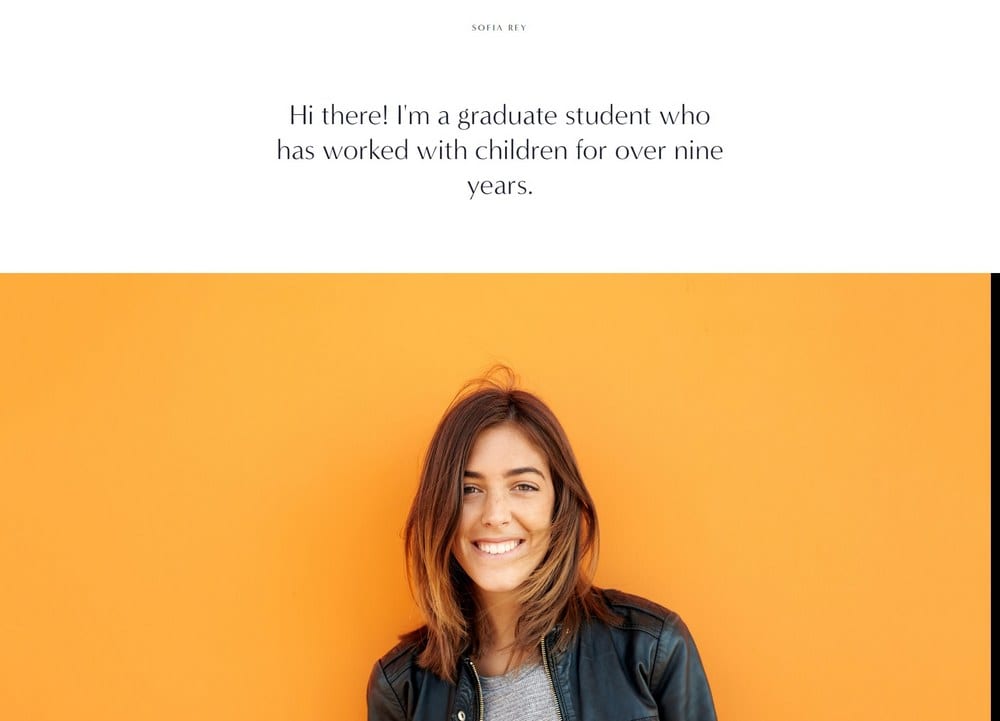
Sofia Rey
Best for Freelance Artists and Personal Branding ✓ Pros
- Personal branding layout brings together your portfolio, skills, services, reviews, and contact information on a single cohesive site.
- Resume-style sections let freelance artists present their background, training, and experience alongside their creative work.
- Client review integration builds trust with potential buyers and commissioners by showcasing testimonials from past projects.
- Clear navigation with social media links encourages visitors to connect across platforms and builds your overall online presence.
- Vibrant, sleek, professional design adds credibility to your work and helps you stand out in competitive freelance markets.
✗ Cons
- The personal branding focus works best for solo artists, studios or collectives may find the individual-centric layout limiting.
- Resume-style sections may feel unnecessary for established artists who prefer to let their portfolio speak for itself.
- The template is more focused on services and credentials than on gallery-style art display.
Sofia Rey is a strong choice for freelance artists who need more than a gallery, they need a complete professional presence. The template brings together portfolio, skills, services, and reviews in one place, letting potential clients see your full picture.
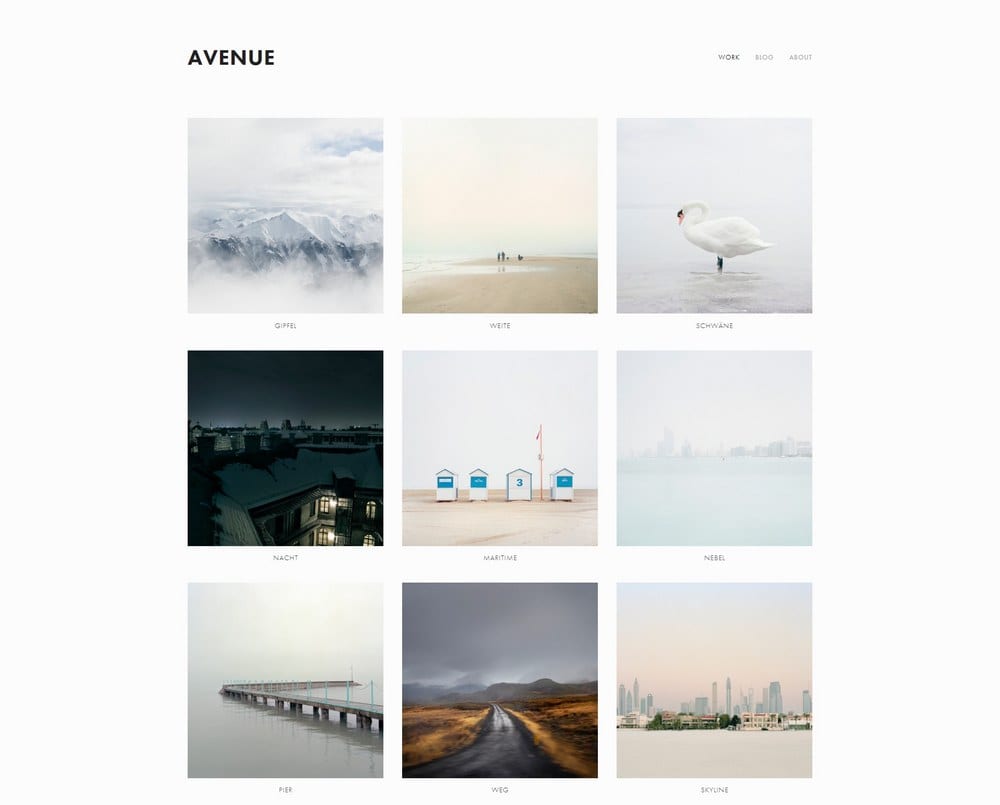
Avenue
Best Minimalist Grid Portfolio for Artists ✓ Pros
- Minimalist grid-based design creates a clean, gallery-like browsing experience that highlights artwork without unnecessary elements.
- Fast page load times improve visitor experience and search engine ranking, critical for artists competing for keywords like "squarespace artist templates."
- Individual pages for each artwork let you include detailed descriptions, dimensions, pricing, and purchase options alongside high-quality images.
- Responsive design ensures your portfolio looks polished on desktops, tablets, and phones without manual adjustment.
- Clean URL structure and SEO-friendly architecture help your artist website rank on Google for relevant search terms.
✗ Cons
- The grid layout favours uniformity, artists with mixed-format work (tall paintings alongside wide photographs) may find the grid enforces awkward cropping.
- Minimal design means fewer built-in features for storytelling, blogging, or client interaction compared to feature-rich templates.
- The understated aesthetic may not provide enough visual personality for artists with a bold, maximalist brand identity.
Avenue is one of the top minimalist portfolio templates for artists. The grid-based design gives each piece its own dedicated page, and the fast load times mean visitors and search engines both respond well.
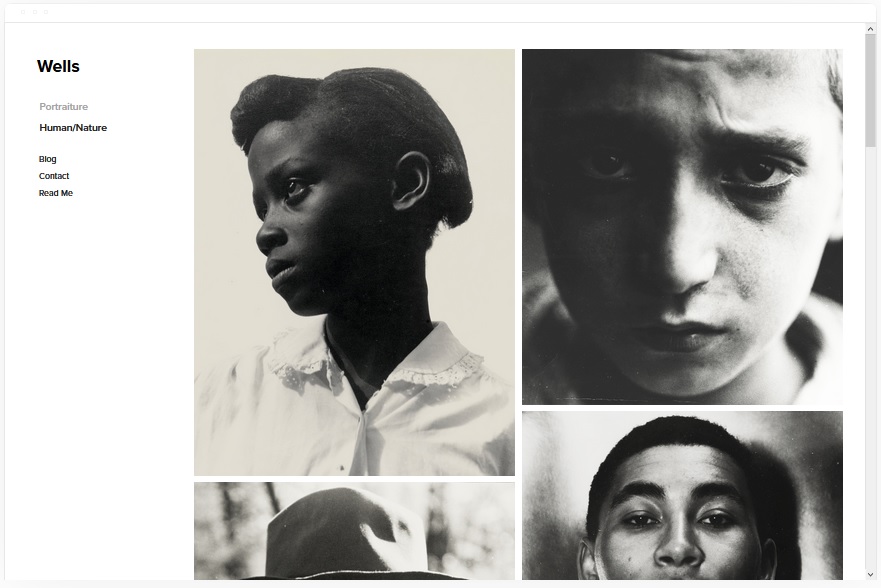
Wells
Best for Artists Selling Prints and Video Content ✓ Pros
- Strong visual showcase design makes your portfolio the centrepiece of the site, with layouts that highlight both images and video content.
- Built-in eCommerce lets you sell prints, originals, and digital downloads directly from your artist website without external shop tools.
- Video embedding support allows you to share studio tours, process timelapses, and exhibition walkthroughs alongside your static portfolio.
- Social media integration connects visitors to your profiles, building your audience across platforms simultaneously.
- Easy-to-maintain design means you can update your portfolio with new work quickly without technical skills.
✗ Cons
- The visual-heavy layout demands consistently high-quality imagery, a mix of professional and casual content can feel disjointed.
- Video content, while supported, requires you to host on YouTube or Vimeo first and embed via URL, there is no direct upload.
- The template's broad visual focus may feel less curated than templates designed specifically for a single art medium.
Wells has one of the best designs for artists who want to showcase creative work across formats. The template handles images, videos, and portfolio pieces with equal skill, and the built-in eCommerce makes selling prints and originals straightforward.
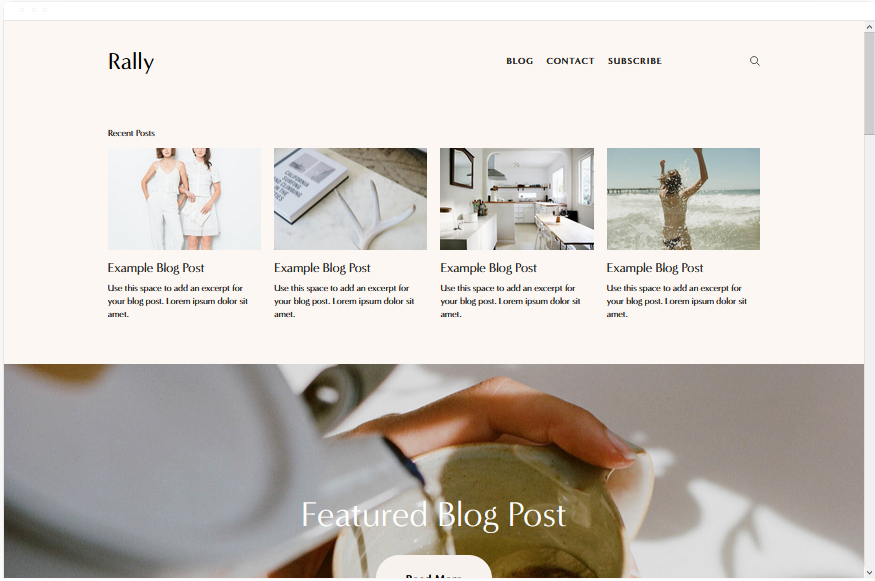
Rally
Best for Artists Who Blog and Build an Audience ✓ Pros
- Built-in blog gives artists a dedicated space for process posts, exhibition write-ups, and art world commentary, content that attracts search traffic and builds trust.
- Smooth scrolling animation creates a fluid browsing experience that keeps visitors engaged as they move through portfolio and content pages.
- Social media integration in the top-right menu area makes it easy for visitors to follow you on other platforms in the same session.
- Mobile-optimised design ensures your art looks sharp on phones and tablets, essential for artists whose audience discovers them through social media.
- Streamlined layout with clear navigation keeps the site feeling professional without overwhelming visitors with options.
✗ Cons
- The blog-forward structure works best for artists who commit to regular content, an empty blog section undermines the template's strengths.
- The streamlined design is less suited to artists with very large portfolios who need extensive gallery and filtering options.
- Rally's content marketing emphasis may feel unnecessary for artists whose clients come primarily through word-of-mouth rather than online discovery.
Rally is a streamlined Squarespace artist template that combines portfolio display with content marketing. The blog is the standout feature, each post becomes an opportunity to promote your artwork, share your process, or discuss the art world, all while building search engine visibility.
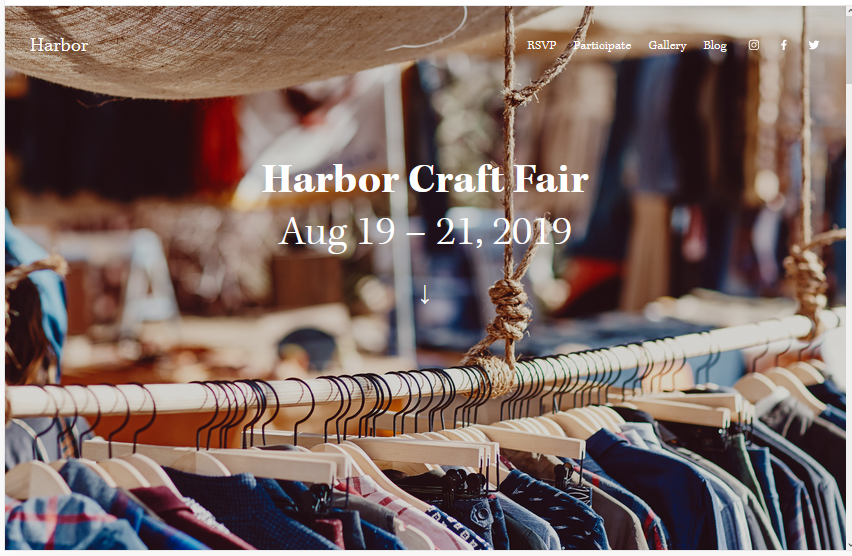
Harbor
Best for Simple, Image-Focused Artist Websites ✓ Pros
- Beautiful background image presentation creates an immediately striking visual impression that showcases your art from the first second.
- Simple top-right menu bar keeps navigation accessible without cluttering the visual experience, visitors find what they need without hunting.
- Fast-loading, responsive design works smoothly across desktops, tablets, and mobile devices with no additional configuration needed.
- Quick setup time means you can have a professional artist website live within minutes rather than days.
- Clean structure ranks well on Google and other search engines, helping new visitors discover your art organically.
✗ Cons
- The simple structure offers fewer advanced features, artists who need eCommerce, booking systems, or extensive galleries may find it limiting.
- Heavy reliance on the background image means your landing page impact depends entirely on one strong visual, choose it carefully.
- Fewer page layout options compared to more complex templates may frustrate artists who want extensive customisation.
Harbor is one of the simplest and most visually effective Squarespace artist templates available. The beautiful background image creates an immediate impression, and the clean menu bar helps visitors find their way around without distraction.
Carson
Best for Interactive Artist Portfolios ✓ Pros
- Unique hover-responsive design changes the background image when visitors move over links, creating an interactive portfolio experience unlike any other template.
- Hidden menu navigation keeps the interface clean and lets the art dominate the screen while providing full site access when needed.
- Reduced bounce rate potential, the interactive hover effect keeps visitors exploring longer as they discover new images with each link.
- Portfolio-focused layout is purpose-built for displaying creative work in an engaging, memorable way.
- Distinctive design helps your artist website stand out from the thousands of conventional grid and gallery portfolios online.
✗ Cons
- The hover effect is desktop-only, mobile visitors get a different, less interactive experience, which is a significant limitation given mobile traffic volumes.
- The hidden menu requires visitors to actively look for navigation, which can confuse first-time visitors unfamiliar with the design.
- The unique layout requires more thought about which images pair with which links, poor choices can make the experience feel random rather than curated.
Carson is one of the most unusual Squarespace artist templates available. The hover-responsive design changes the background image when visitors move over a link, creating an interactive experience that keeps people exploring.
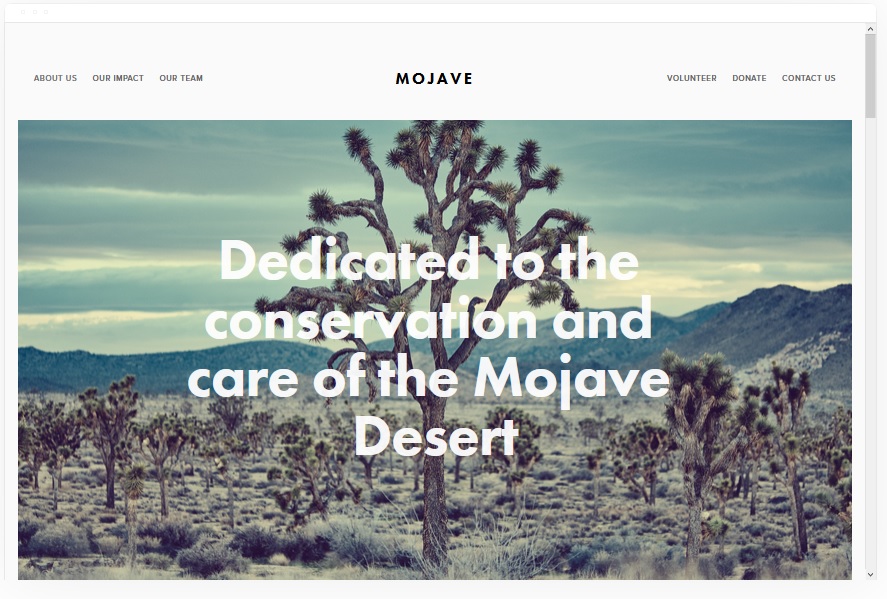
Mojave
Best for Bold, Dramatic Artist Presentations ✓ Pros
- Striking visual appearance creates a dramatic first impression that matches bold, large-scale, or vivid artwork perfectly.
- Smooth scrolling effect with integrated call-to-action buttons guides visitors through your portfolio toward a purchase or inquiry naturally.
- Social share buttons on blog posts, galleries, portfolios, and product pages make it easy for visitors to spread your work across their networks.
- Built-in eCommerce capability lets you sell artwork, prints, and merchandise directly from the site.
- Versatile design works for multiple art styles, whether you produce abstract paintings, photography, or digital art, Mojave presents it with impact.
✗ Cons
- The dramatic scrolling design is content-hungry, you need enough strong portfolio images to fill the layout without repetition.
- The bold aesthetic may overshadow subtler or more delicate artwork styles that benefit from quieter presentation.
- Social share button configuration requires some technical setup that simpler templates handle automatically.
Mojave brings drama to your artist website. The striking visual design and smooth scrolling effect turn a portfolio visit into an experience, and the integrated call-to-action buttons make it easy for visitors to buy artwork, commission a piece, or get in touch.
How to Choose the Right Squarespace Template for Your Artist Website
5 Must-Haves for an Artist's Website
Every artist's website needs five core elements to convert visitors into clients, collectors, or fans. First, stunning visual displays, your art is the star, so pick a template that features full-screen images, sliders, and galleries to make your work pop. A clean, distraction-free design allows your creativity to shine. Second, portfolio organisation, whether you have hundreds of pieces or a curated selection, make sure your site has an intuitive way to display your work with gallery-style layouts that let you group by medium, series, or project. Third, mobile optimisation, visitors will view your art on everything from desktops to smartphones, and your website should look just as impressive on a mobile device as it does on a large screen. Fourth, eCommerce capabilities, if you want to sell your art online, look for a template that integrates with Squarespace's commerce tools for prints, originals, or digital downloads. Fifth, About and Contact pages, your story is part of your art, and a strong About page with a clear Contact form makes it easy for buyers and collaborators to connect with you.
Why Artists Need a Website
An artist without a website is like a gallery without lights, people miss seeing your work. A website expands your audience beyond local art fairs and gallery shows, letting collectors discover you from anywhere in the world. Social media platforms are valuable, but you do not own those spaces, algorithm changes can hide your content overnight. Your Squarespace artist website is your personal digital gallery where you control how your art is presented and how your story is told. Direct sales through an eCommerce-enabled site let you cut out the middleman and keep more profit. Beyond finished pieces, a website lets you share your journey, inspirations, sketches, works in progress, deepening your connection with your audience. Having a professional website also signals to galleries, buyers, and collaborators that you take your art seriously.
What Types of Artists Are Building Websites?
The Squarespace templates for artists on this list serve a broad range of creative professionals. Fine artists, painters, sculptors, and mixed media artists, need templates with large, high-quality image displays and the ability to categorise by series or medium. Photographers lean toward minimalist, image-heavy templates with strong portfolio organisation and gallery options. Digital artists and illustrators need high-definition displays and often prefer eCommerce for selling digital downloads and prints. Tattoo artists need booking systems, service listings, and bold visual branding. Multidisciplinary artists who work across installations, performance, and traditional media need flexible templates that handle diverse content types. Art educators and bloggers benefit from templates with blogging features and video support. Each artist type has different priorities, which is why this list includes 21 templates rather than five.
Tips for Choosing the Best Template
Keep the design visual, your artwork should dominate the page, not text blocks or decorative elements. Choose a template that emphasises large images and full-screen galleries. Pick a simple, minimalist layout with clean lines and uncluttered structure that lets your art take centre stage. Think about navigation, make sure visitors can easily find your portfolio, bio, and contact information with clear menus. Consider future growth, you might only need a portfolio now, but you could want to sell prints or write blog posts later, so choose a template with flexibility. Test on mobile before committing, your art should look stunning on a smartphone. Finally, consider load speed, since templates like Kent and Avenue prioritise fast performance that directly affects both visitor experience and Google ranking for terms like "squarespace for artists."
Famous Artists' Websites for Inspiration
Some of the most recognised artists have built strong web presences worth studying. Banksy's website is as mysterious as the artist, minimalist design with plenty of negative space and limited navigation, letting the art and messages speak for themselves. Yayoi Kusama's site is vibrant and full of her signature polka dots, with interactive galleries that mirror the surreal experience of her installations. David Hockney's website combines a straightforward layout with bold, colourful design that mirrors his work, keeping the focus on his vibrant pieces while remaining visually stimulating. The common thread: they all let the visual work lead and keep everything else secondary.
Frequently Asked Questions
What is the best Squarespace template for an artist website?
Can I sell my artwork directly through a Squarespace artist website?
Do I need a website as an artist if I already use Instagram?
How much does a Squarespace artist website cost?
What should an artist include on their website?
Is Squarespace good for artist portfolio websites?
Can I add a booking system to my Squarespace artist website?
How do I make my artist website show up on Google?
How We Evaluate Templates
Conclusion: 21 Best Squarespace Templates for Artists
For artists, building a website is more than creating a portfolio, it is curating your digital gallery, a space where your art, personality, and process live together. Whether you want to sell more work, reach a global audience, book more clients, or simply have a polished space to share your creative journey, one of these 21 Squarespace artist templates will get you there.
Achromatic and Kester lead for bold visual branding and clean grid portfolios. Toledo and Cami serve artists who want storytelling alongside their work. McCurry, Balboa, and Fillmore cater to photographers and documentary artists. Montclaire and Bedford handle selling artwork directly. Kent and Avenue deliver speed and SEO performance. Ready and Sofia Rey serve freelancers and artists who need scheduling and personal branding. Wells and Mojave combine visual drama with eCommerce. Rally builds audiences through content. Harbor and Carson offer distinctive interactive experiences. Nevins, Aue Sobol, and Minoru round out the list for diverse collections, experimental work, and art education.
Choose the template that fits how you work and who you serve, upload your strongest portfolio images, and make the path from "I love this" to "I want to buy this" as short as possible. Your art already does the hard work, your website just needs to get out of the way and let it shine.
Looking for portfolio-specific options? Our comparison of the best Squarespace art portfolio templates breaks down the top ten choices for painters, illustrators, and digital artists, with pros, cons, and customization tips for each.
Still looking for the perfect name for your art website? Try our artist/art business name generator.
* Read the rest of the post and open up an offer